Source Windproof Winter Cycling Safety Gloves for Riding
Find windproof winter cycling safety gloves from 30 verified suppliers. Compare full-finger and split-finger options made from polyester or neoprene. Customize logos and select sizes S to XL for reliable grip and warmth during cold-weather rides; compare the available evidence and request quotations based on your requirements.
Key considerations
Products List





Comprehensive Sourcing Guide
Windproof Winter Cycling Safety Gloves Sourcing Guide
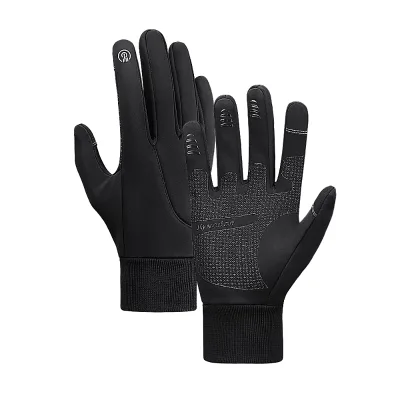
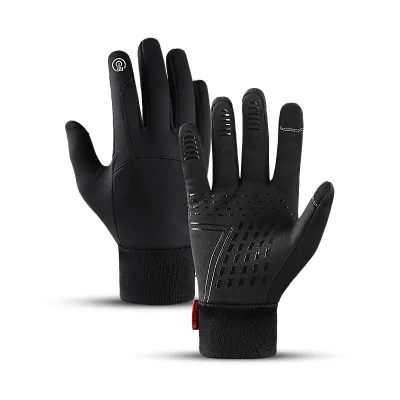
Procuring windproof winter cycling safety gloves requires distinguishing between general thermal protection and specialized gear designed for high-speed exposure. The observed market data indicates a strong focus on full-finger designs constructed from materials like 100% polyester and neoprene, which are essential for blocking cold air penetration during winter rides. Buyers must verify that the specific product model, such as the YMX series or A0006, explicitly lists windproof functionality alongside its thermal properties to ensure rider safety in freezing conditions.
Commercial listings reveal a diverse range of customization options, including logo placement and design variations, which can significantly impact the final unit cost and lead time. While some suppliers offer standard plain styles, others provide bespoke designs for branding purposes, necessitating a clear definition of requirements before initiating the sourcing process. Understanding the distinction between generic wholesale items and customized racing gloves is critical for aligning procurement goals with the specific operational needs of your cycling team or retail inventory.
Product Scope and Observed Listing Signals
The current market inventory for windproof winter cycling gloves spans various age groups, with a notable concentration on adult-sized products suitable for serious cycling and racing applications. Listings frequently highlight usage scenarios that extend beyond standard commuting to include skiing, snow shoveling, and high-intensity sports, suggesting a versatile design philosophy. However, buyers should carefully scrutinize product names and descriptions to confirm that the item is specifically engineered for cycling safety rather than general winter warmth, as some entries may be labeled broadly as "Children Gloves" or generic "Warm" wear.
Observed listing signals indicate a wide variance in minimum order quantities, ranging from as low as two pairs to as high as two thousand, which directly influences the feasibility of small-batch testing versus bulk procurement. The price range observed in the market is equally broad, reflecting differences in material quality, branding, and customization levels. Procurement teams must evaluate whether the low entry price points correspond to the necessary durability and windproof performance required for winter cycling, or if they represent entry-level products better suited for casual use.
Technical Specifications to Verify
Technical verification must begin with the material composition, as the supplied data confirms the use of both 100% polyester and neoprene in different product lines. Buyers should demand specific test data or material certifications to confirm that the chosen fabric provides adequate wind resistance without compromising breathability during high-exertion cycling activities. The presence of a buckle closure system is a common feature in the observed listings, which aids in securing the glove against wind ingress, but the quality of this hardware must be assessed for long-term durability in harsh winter environments.
Finger length and sizing are critical technical parameters that directly affect rider safety and dexterity. The market offers full-finger gloves in standard sizes such as S, M, L, and XL, alongside specific model numbers like G-01 and YMX-1, which may have unique fit profiles. It is essential to verify that the sizing chart provided by the supplier aligns with international standards to prevent issues with fit that could lead to reduced grip or circulation problems. Additionally, the distinction between split-finger and full-finger designs should be confirmed, as this impacts the level of protection and tactile feedback available to the cyclist.
Compliance and Safety Documentation
While the provided facts do not list specific safety certifications, buyers must request documentation proving that the gloves meet relevant international safety standards for protective sports equipment. In the absence of explicit certification claims in the listings, the procurement process should include a requirement for third-party testing reports that validate the windproof and thermal claims made by the supplier. This is particularly important for gloves marketed for racing or high-speed cycling, where failure of the material could result in severe cold injury or loss of control.
Documentation regarding the origin of the product is also a key compliance factor, as the data indicates production primarily in Jiangsu and Tianjin, China. Buyers should verify that the manufacturing facilities adhere to local labor laws and environmental regulations, especially when sourcing from regions with varying levels of regulatory oversight. Requesting a certificate of origin and a statement of compliance with the stated production standards, such as the 50,000 pieces per week capacity mentioned, helps ensure that the supply chain is transparent and capable of meeting volume demands without compromising quality.
Cost Drivers and Commercial Terms
The cost of windproof winter cycling gloves is heavily influenced by the level of customization required, including logo printing, color selection, and unique design elements. The observed data shows that while some products offer standard colors like blue, black, and gray, others allow for fully customized colors and designs, which typically incurs higher setup fees and longer lead times. Buyers must balance the desire for branding with the budget constraints, understanding that complex customization can significantly increase the per-unit cost and extend the production schedule.
Commercial terms such as payment methods and delivery timelines are critical variables that affect the overall procurement strategy. The market supports various payment options including T/T, L/C, Western Union, and PayPal, offering flexibility for different buyer risk profiles. However, delivery times vary from sample lead times of 4-6 days to bulk production windows of 1-15 working days, and these figures must be factored into the supply chain planning. Buyers should negotiate clear terms regarding packaging, which ranges from simple OPP bags to custom cartons, to ensure that the final product arrives in optimal condition.
Supplier Qualification and Quality Control
Supplier qualification should focus on verifying the production capacity and consistency of the manufacturing facilities, as the data suggests a high-volume output capability of up to 50,000 pieces per week. Buyers must assess whether the supplier has the infrastructure to maintain quality control standards across large batches, ensuring that every pair of gloves meets the specified windproof and thermal requirements. It is advisable to request samples from different production runs to check for consistency in stitching, material thickness, and the functionality of buckles and closures.
Quality control protocols must also address the packaging and logistics aspects, as the observed data indicates a variety of packing methods from general OPP bags to custom cartons. Ensuring that the packaging is robust enough to protect the gloves during transit is essential, especially for winter gear that may be sensitive to moisture and compression. Buyers should establish clear acceptance criteria for the final product, including checks for defects in the neoprene or polyester layers, and verify that the supplier can provide a detailed inspection report before shipment.
Long-Term Procurement Checks
Establishing a long-term procurement relationship requires regular audits of the supplier's ability to maintain consistent quality and delivery performance over time. Buyers should implement a system for periodic re-evaluation of the product specifications, ensuring that the windproof and thermal properties remain effective as materials and manufacturing processes evolve. This proactive approach helps mitigate the risk of supply chain disruptions and ensures that the gloves continue to meet the safety standards required for winter cycling activities.
Continuous monitoring of market trends and supplier capabilities is also necessary to adapt to changing consumer demands and technological advancements in glove design. As the market offers a wide range of models and customization options, buyers must stay informed about new materials and features that could enhance the performance of their inventory. By maintaining open communication with suppliers and regularly reviewing performance metrics, procurement teams can ensure a resilient and responsive supply chain that supports the long-term success of their cycling safety product line.
FAQs
What materials are used for these windproof winter cycling gloves?
The gloves are primarily constructed from 100% polyester and neoprene materials. These fabrics provide essential windproof protection and warmth for winter cycling. The design ensures durability while maintaining flexibility for riders. Buyers can select from various color options including blue, black, and gray to suit their preferences.
Can I customize the logo and design on these gloves?
Yes, customization is available for both logos and designs. Buyers can customize their logo and request customized designs to match their brand identity. This service allows for unique branding on the windproof winter cycling safety gloves. The customization options ensure that the final product aligns with specific marketing or team requirements.
What is the minimum order quantity for these gloves?
The minimum order quantity varies by product model. Some listings require a minimum of 100 pairs, while others specify 500 pairs. Buyers should check the specific model details for exact MOQ requirements. This flexibility allows businesses of different sizes to place orders that fit their inventory needs effectively.
How long does it take to produce a sample?
The sample lead time is typically 4 to 6 days. This timeframe allows for the creation of prototypes before bulk production begins. Buyers can use this period to verify quality and design accuracy. The quick turnaround supports efficient decision-making for those testing new product lines or custom specifications.
Where are these gloves manufactured and shipped from?
These gloves are manufactured in China, with origins in Jiangsu and Tianjin. The production capacity is noted at 50,000 pieces per week. Delivery times generally range from 1 to 15 working days after order confirmation. This location ensures access to established supply chains and efficient logistics for international buyers.
What sizes are available for these cycling gloves?
Available sizes include S, M, L, and XL for adult models. Some children's gloves are also offered in S, M, and L sizes. The full-finger design ensures complete hand coverage for winter conditions. Buyers should refer to specific size charts to ensure proper fit for their target demographic.